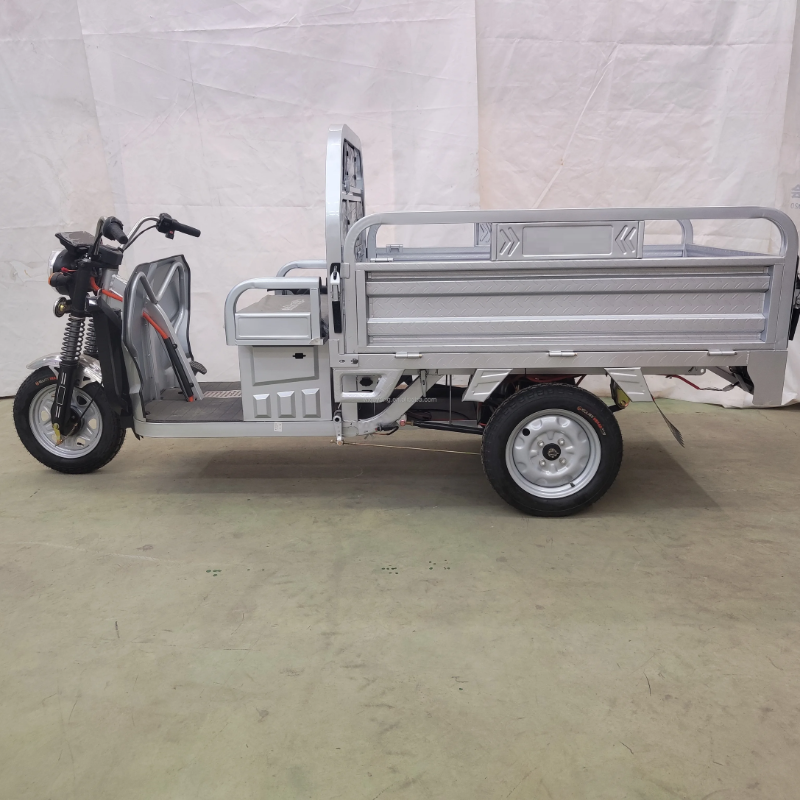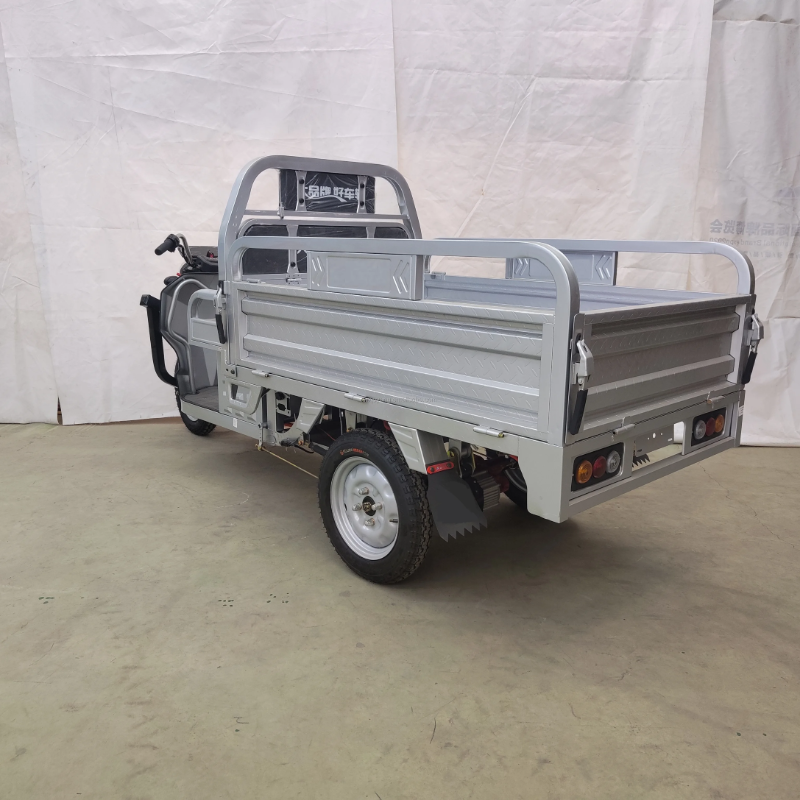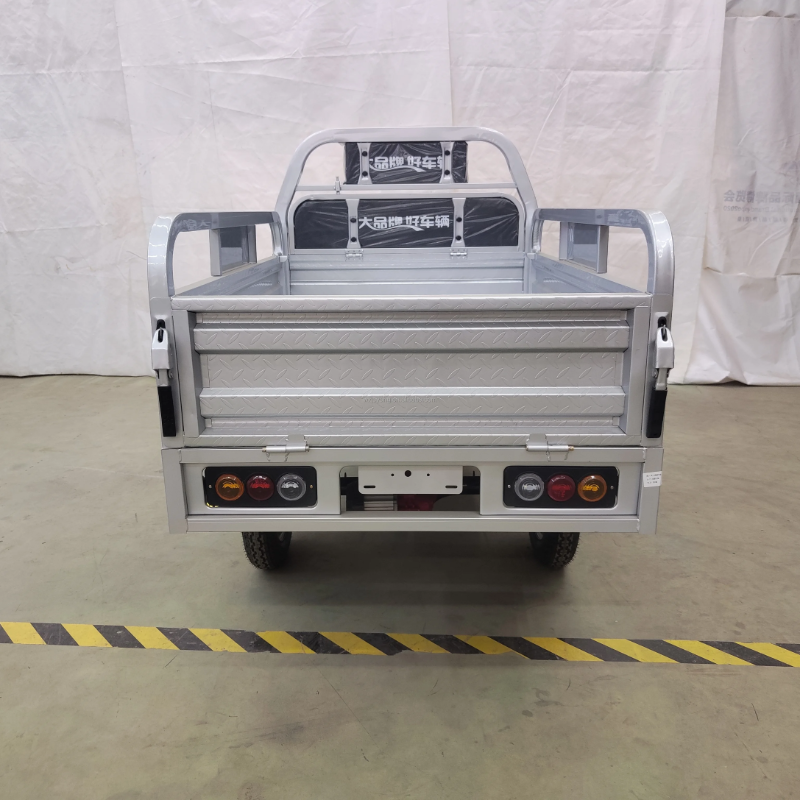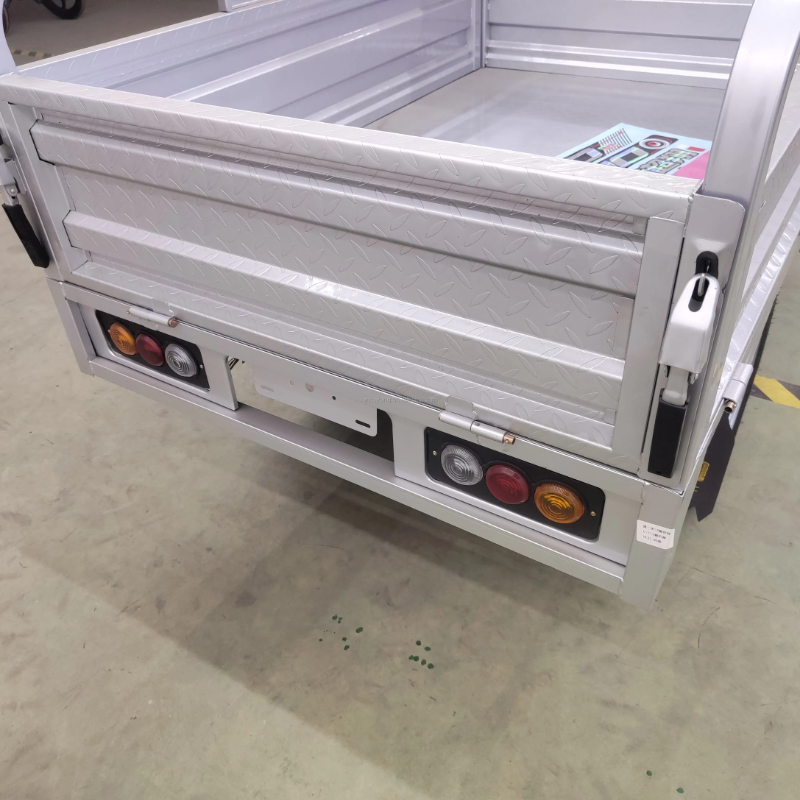
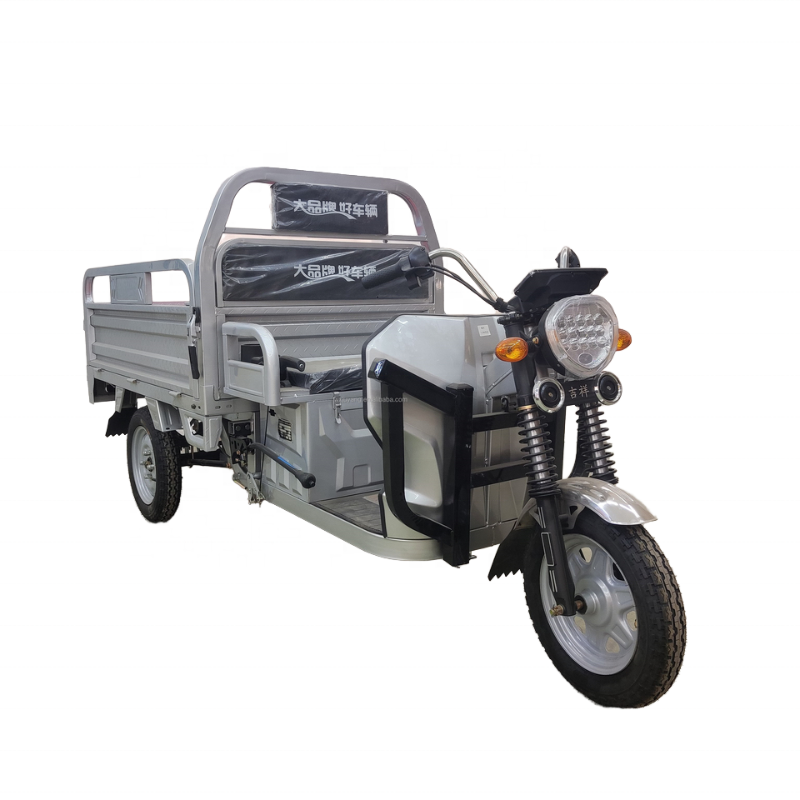
Electric cargo tricycles sit at the practical end of the light electric vehicle market. They carry goods in cities where vans are expensive to run and where narrow streets and market lanes make four-wheelers impractical. Demand comes from last-mile delivery fleets, agricultural distributors, market traders and small manufacturers moving materials between sites. For buyers, the specification sheet is where profit is won or lost, so it is worth understanding what each number actually means.
1. Motor Power: The Number Buyers Misread Most
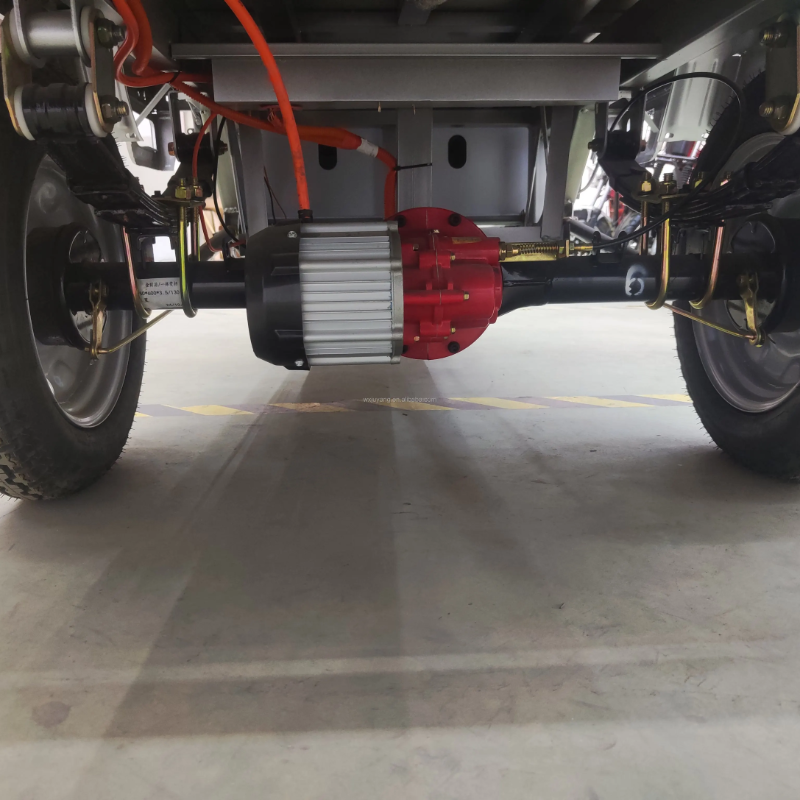
Motor ratings on paper range from 500W to over 1000W, but the headline figure is usually a nominal (continuous) rating, while the motor can draw substantially more for short periods. What matters for real work is the combination of nominal power and the controller's peak current limit.
- 500-800W nominal: light urban delivery, flat terrain, payloads up to roughly 200-300 kg including the rider.
- 1000W and above: heavier loads, gradients, and markets where the tricycle doubles as a small utility vehicle.
Always ask for the continuous rating and the peak rating separately, plus the maximum gradeability at rated load. A 1000W motor that stalls on a 10-degree ramp fully loaded is not doing the job the buyer assumed.
2. Voltage: 48V, 60V or 72V
Voltage determines how much power the system can deliver for a given current, and it drives the whole electrical architecture:
- 48V: the most common and cheapest platform. Adequate for moderate loads and shorter daily distances; the widest availability of replacement batteries and chargers.
- 60V: a middle step, common in markets that tax or regulate based on voltage class, and a good match for 800-1000W motors.
- 72V: the choice for heavy payloads and sustained hill climbing - the same motor draws less current at higher voltage, which reduces heat and improves efficiency under load.
The higher the voltage, the more important the quality of the wiring harness, connectors and controller. A 72V system built with 48V-grade components is a warranty claim waiting to happen.
3. Battery: Chemistry, Capacity and Real Range
The two mainstream options remain lead-acid and lithium (LiFePO4 or NMC):
- Lead-acid: lower upfront cost, heavier, shorter cycle life, and the weight itself consumes energy. Still dominant in price-sensitive markets and where the vehicle is parked on the ground floor.
- Lithium (LiFePO4): roughly half the weight for the same usable energy, 3-5 times the cycle life, and much better behaviour under load. Higher upfront cost, lower total cost of ownership over the vehicle's life.
Regardless of chemistry, do not accept a single mileage figure. Ask for the test conditions - payload, terrain, speed and ambient temperature. A tricycle that covers 90 km empty on flat ground may cover 50 km loaded on hills. Confirm whether the battery is removable, since removable packs change how the fleet charges overnight, and check that the battery carries UN38.3 test reports for transport.
4. Controller and Chassis
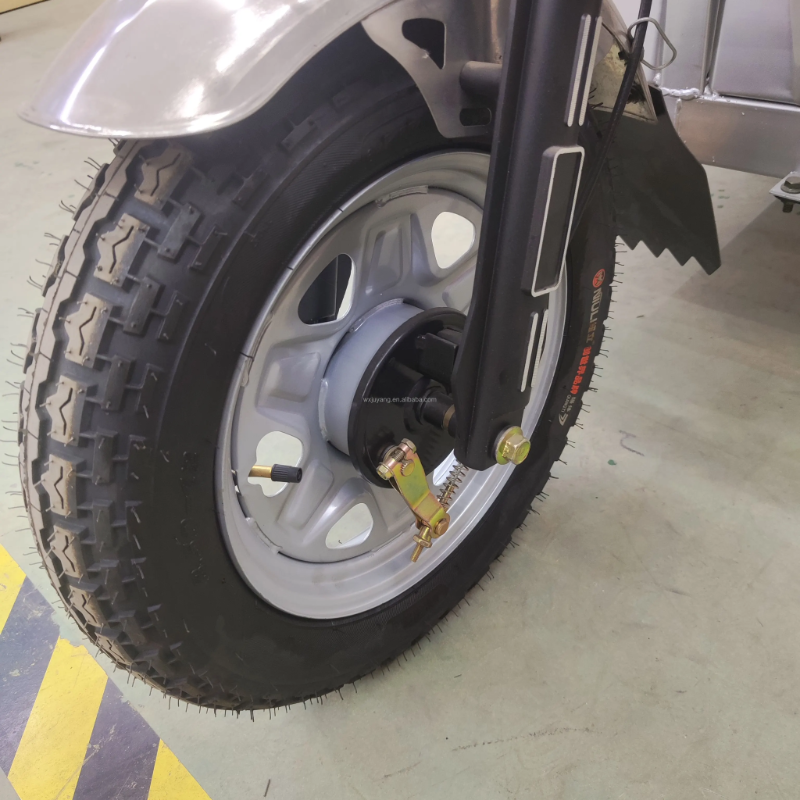
The controller sets acceleration feel, top speed and how the motor is protected against overload. A unit with more MOSFET tubes and proper thermal design runs cooler and lasts longer; cheap controllers are a common failure point on budget tricycles. On the chassis, examine the frame tube thickness, the welding quality at the cargo bed mounts, and the rear axle bearing size - these are the parts that fail first when the vehicle is overloaded daily.
5. Payload, Dimensions and Market Fit
- Payload rating: ask what the rating includes (rider or cargo only) and what the safety factor is.
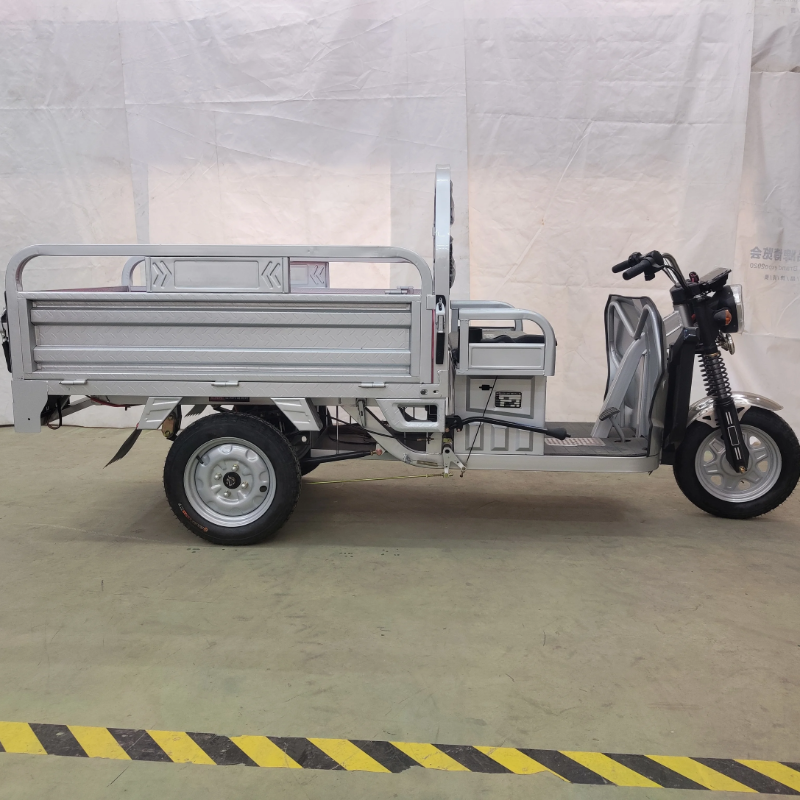
- Open or enclosed body: open beds suit dry goods and warm climates; enclosed or canvas-covered beds are needed for food, electronics and rain.
- Track and turning radius: critical for market lanes and warehouse aisles.
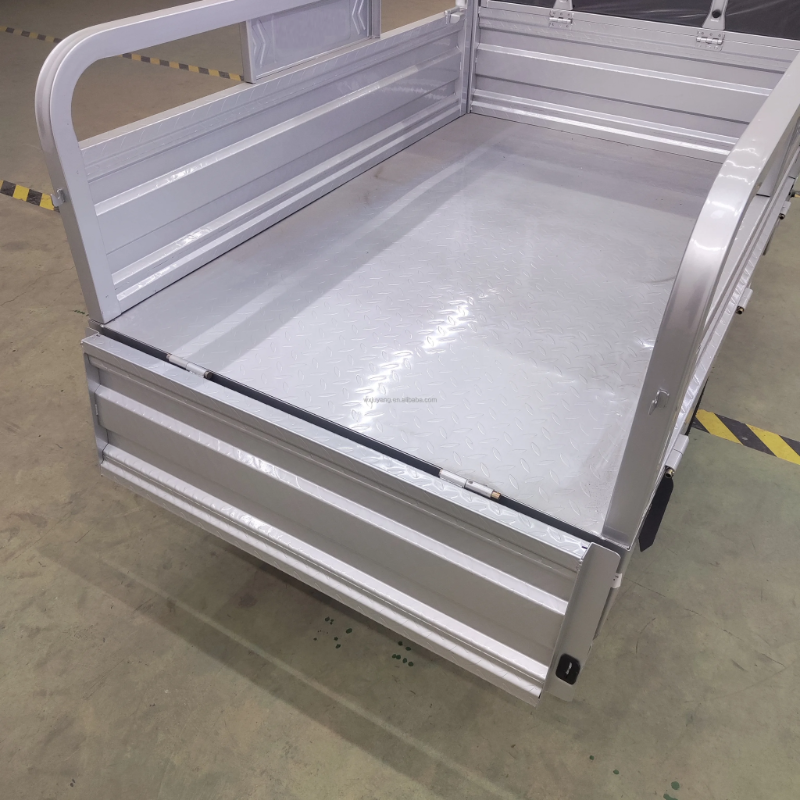
- Bed dimensions: match to your customers' most common load, such as standard produce crates or gas cylinders.
Procurement Checklist
- Motor continuous and peak power, plus gradeability at rated load.
- System voltage and the quality rating of controller, wiring and connectors.
- Battery chemistry, capacity, cycle life and transport certification.
- Payload definition and the actual test conditions behind the range claim.
- Spare parts availability: controllers, motors, batteries, brakes and tyres.
- Certificate of conformity for the destination market's vehicle regulations.
Wuxi Juyang Technology manufactures electric tricycles for cargo and passenger use, including open-body and covered variants with motor and battery configurations selected for each market, and supports OEM/ODM programmes on body design, branding and electrical specification. Contact us for detailed specifications, samples and container-load pricing.