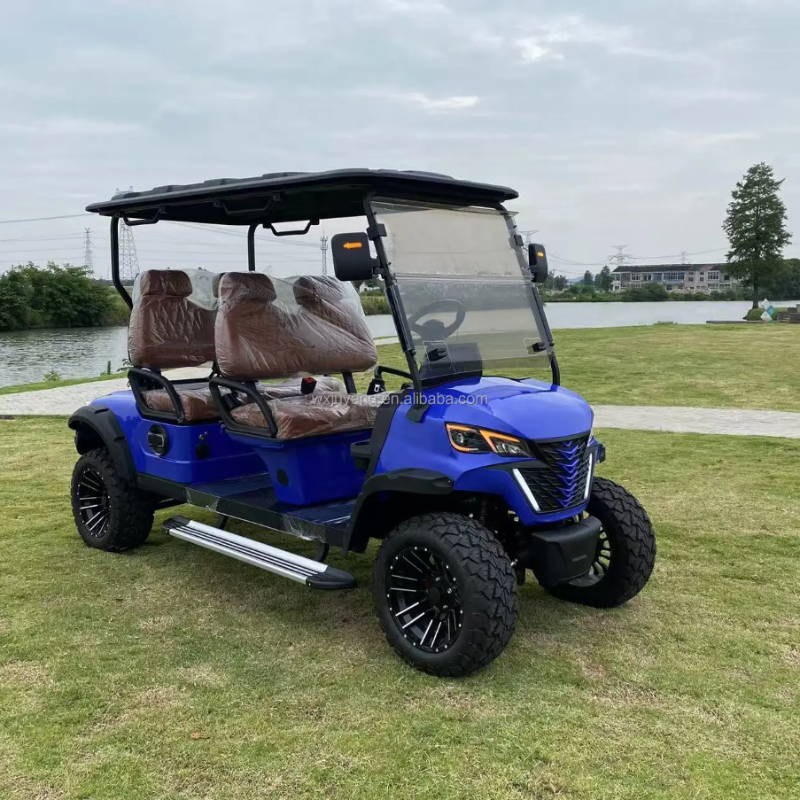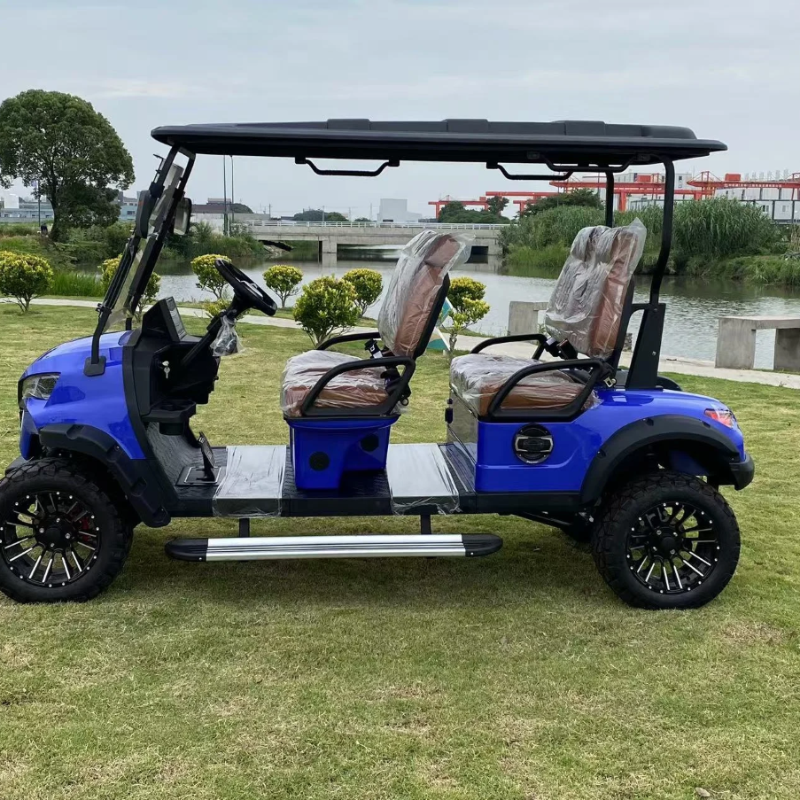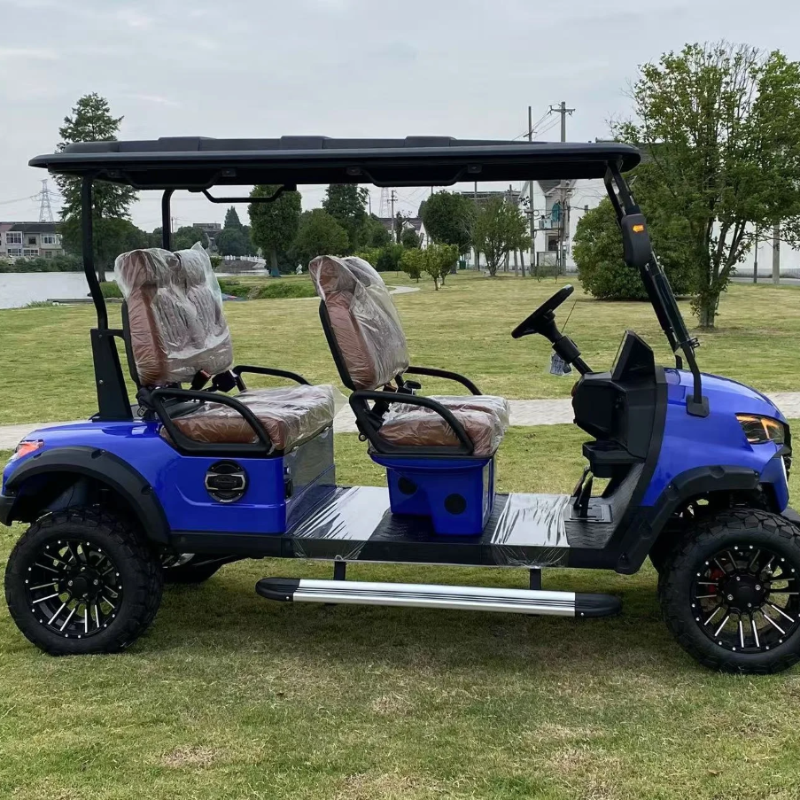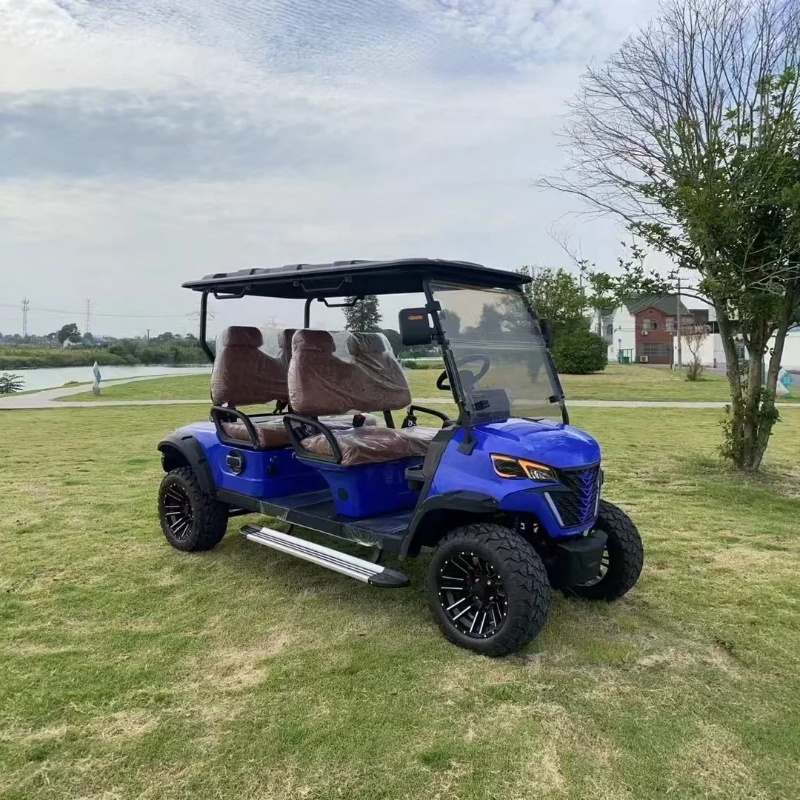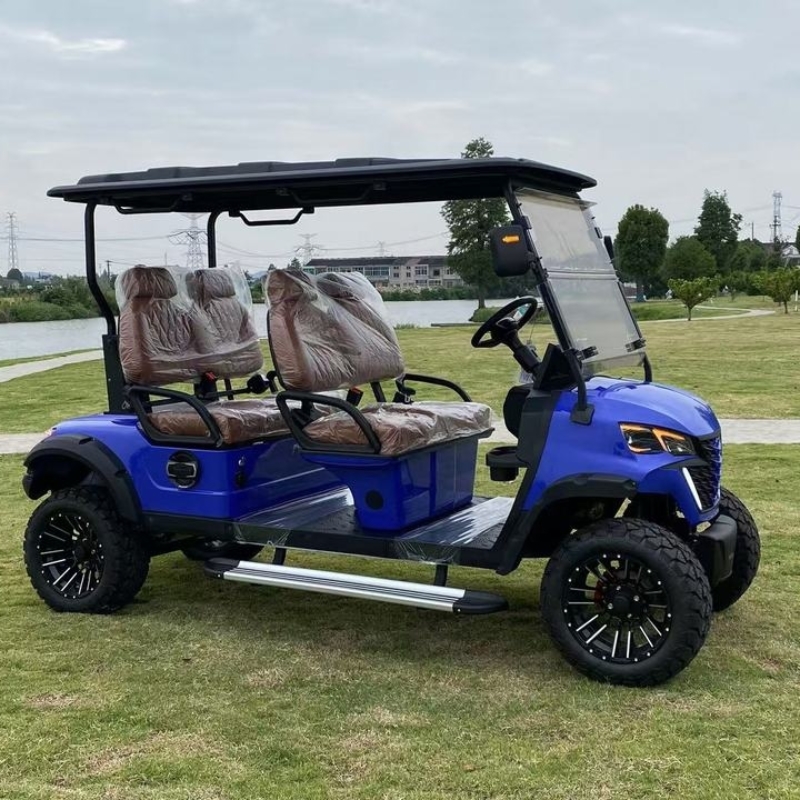
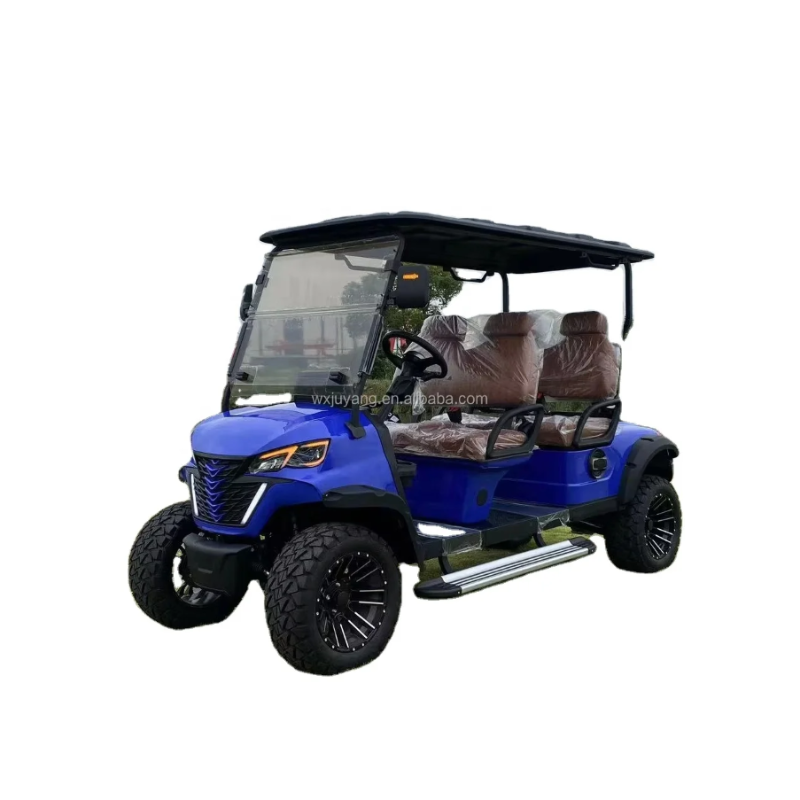
Mini electric carts occupy a useful niche between a golf buggy and a small utility vehicle. They move people and light equipment around resorts, hotel grounds, campus environments, exhibition halls, warehouses and construction spreads. Their appeal is simple: near-zero running noise, no emissions indoors, minimal maintenance compared with a combustion engine, and a purchase price well below a small petrol utility vehicle.
1. The 48V Platform and Why It Dominates
Most mini electric carts run on a 48V system with a motor in the 800-1500W range. The reason 48V is standard is a practical balance:
- It is high enough to drive a useful motor without excessive current, keeping wiring and controllers economical.
- It sits below the voltage thresholds that trigger stricter electrical safety classifications in many markets.
- Batteries, chargers and controllers are widely available, which makes replacement and servicing straightforward anywhere in the world.
Higher-voltage platforms exist for heavier vehicles, but if your duty cycle is people-moving on prepared surfaces, 48V is the sensible engineering choice rather than a compromise.
2. Motor Sizing for Real Duty Cycles
A golf cart that carries two people on a flat path has a very different requirement from a utility cart hauling tools and materials up a service ramp. When specifying:
- Passenger carts: 800W is generally sufficient for 2-4 occupants on prepared surfaces, provided the gearing and controller are matched.
- Utility and cargo carts: move to the higher end of the range whenever there is a bed, a trailer or a gradient involved.
- Gradeability: insist on the maximum gradient at full rated load, not the gradient the vehicle can climb with only a driver.
3. Range Expectations and Charging
Manufacturers commonly quote ranges such as 60-90 km, but those figures assume an average load, moderate speed and mild temperatures. Real-world range falls with:
- Passenger count and load weight.
- Stop-start duty, which is the normal pattern on resorts and campuses.
- Gradients and unpaved surfaces.
- Low ambient temperature, particularly with lead-acid batteries.
Charging time is typically 5-8 hours from empty, which fits an overnight charging routine but not a shift-based fleet. If the vehicle runs continuously, plan for either a second battery set, removable packs, or a fleet size that accounts for charging downtime.
4. Battery Choice in Practice
- Lead-acid: the low-cost default for carts that stay on site and charge every night. Heavier, and capacity degrades noticeably after a few hundred deep cycles.
- Lithium (LiFePO4): the better answer where the cart must climb, where weight matters, or where the customer wants several thousand cycles before replacement. Also charges faster.
Whichever is chosen, specify a charger matched to the battery chemistry and confirm the vehicle has a low-voltage cut-off so the pack is not damaged by deep discharge.
5. Details That Decide Whether a Fleet Stays Reliable
- Brakes: drum brakes are common and adequate on flat ground; disc brakes are worth specifying for hilly sites and heavier loads.
- Tyres: turf tyres for golf and resort use, pneumatic road tyres for campuses, and reinforced tyres for construction spreads.
- Enclosure: sun canopy, rain cover, windscreen and lighting matter more to end users than motor specifications, and they are cheap to add at the factory.
- Seating configuration: forward-facing, rear-facing or convertible bench layouts change the seating capacity and the vehicle length.
- Spare parts and service: confirm controllers, brakes, tyres and battery availability for the destination market.
Specification Checklist
- Motor power and the gradeability figure at full load.
- System voltage and controller rating.
- Battery chemistry, capacity, removable or fixed, and charge time.
- Realistic range under your specific duty cycle - ask for the test conditions.
- Braking system, tyre type and suspension.
- Canopy, enclosure, lighting and seating layout options.
- OEM/ODM availability for colour, branding and accessories.
Wuxi Juyang Technology supplies mini electric carts and utility EVs with configurable motor, battery, braking and body options, suited to resorts, campuses, exhibition venues and industrial sites. We support OEM/ODM projects on appearance, electrical specification and accessories. Contact us for specifications, pricing and samples.