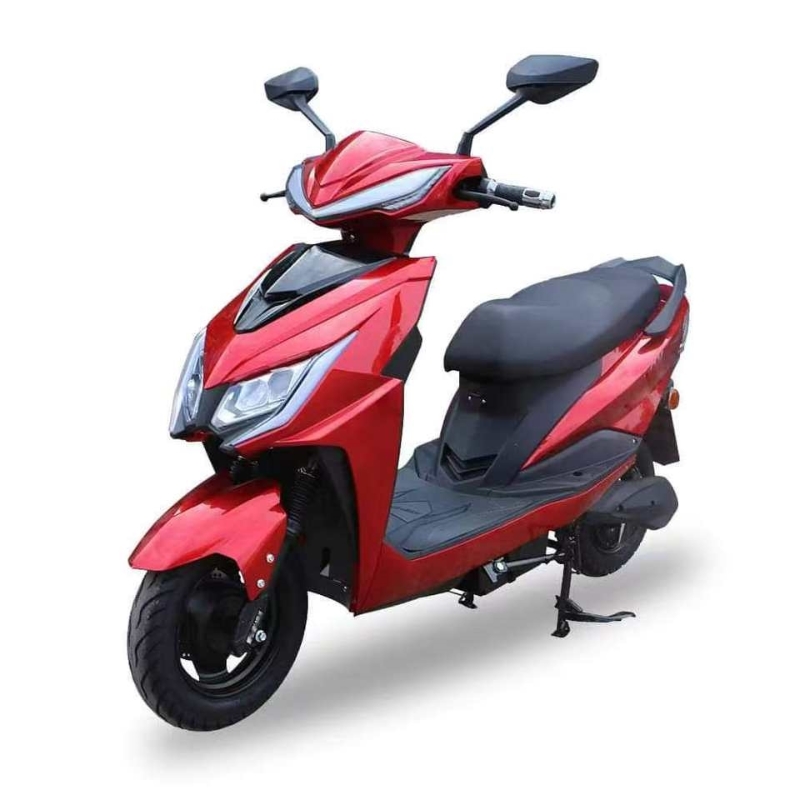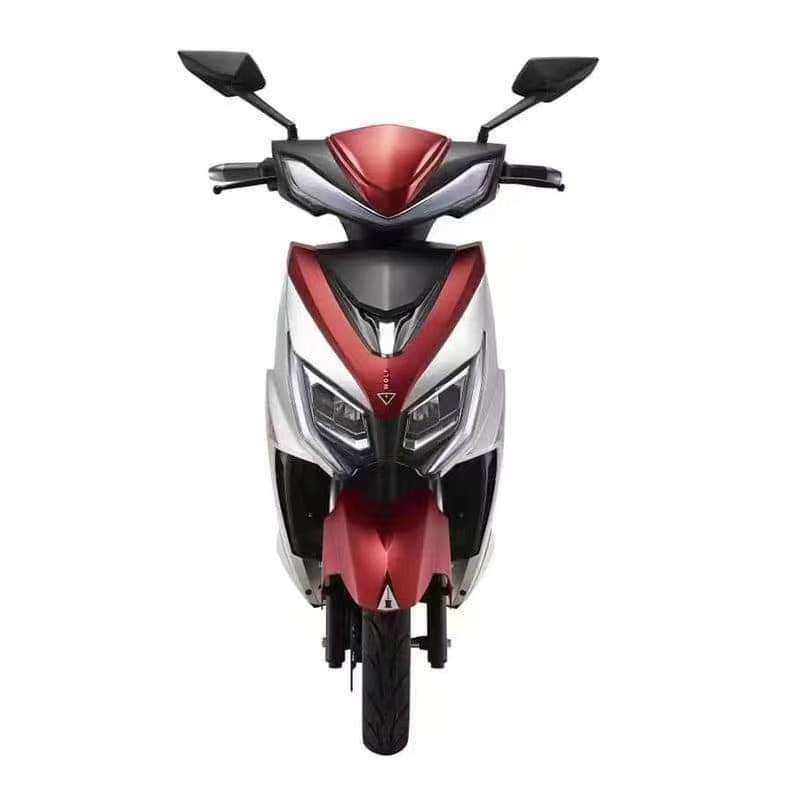
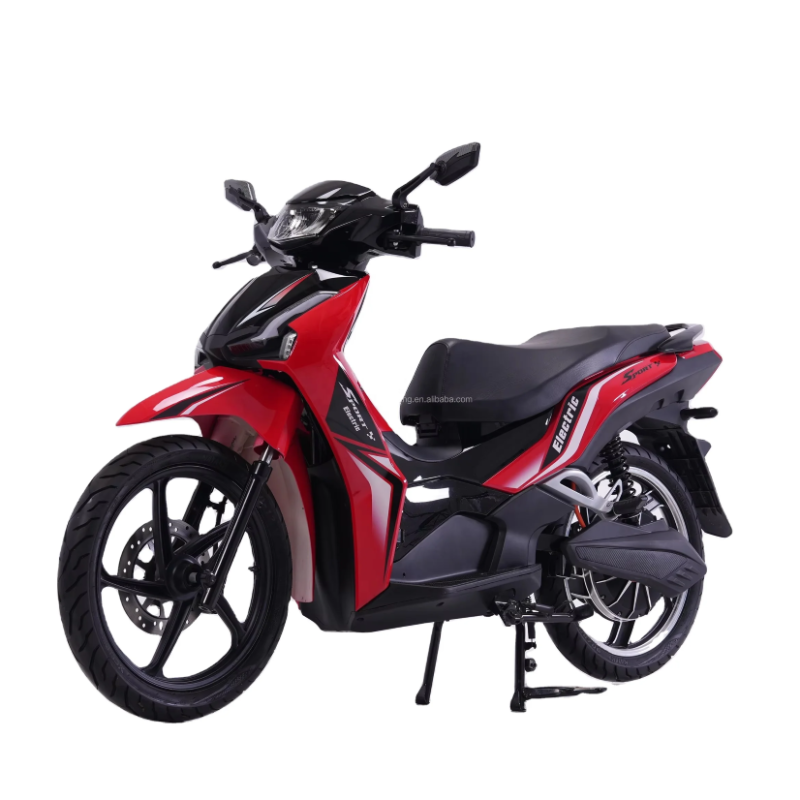
Electric streetbikes and scooters are the most competitive segment of the light EV market, and also the one where two visually identical machines can perform completely differently. The difference is almost always in three things: voltage, battery quality and how the controller is tuned. This guide explains what each element does and how to compare models honestly.
1. Voltage Sets the Performance Ceiling
- 48V: the entry platform. Fine for low-speed urban commuting and short trips, with limited hill-climbing ability once a second rider or a steep gradient is involved.
- 60V: the mainstream middle. Noticeably better acceleration and gradeability than 48V for similar motor hardware, and still supported by a broad supply of chargers and batteries. This is the most common specification for markets where the vehicle is used for daily commuting.
- 72V: the performance bracket. Higher top speed and much better sustained performance on hills, at the cost of a heavier pack, a more expensive controller and stricter component requirements throughout the harness.
Note that voltage alone does not determine speed: the controller's current limit, the motor's KV and the gearing all participate. A 60V system with a well-tuned controller can outperform a poorly configured 72V machine.
2. Peak Power vs. Rated Power
Scooter marketing leans heavily on peak wattage figures. Peak power describes what the motor can deliver briefly during acceleration; rated power describes what it can sustain without overheating. For commuting duty, the rated figure and the thermal design of the motor matter far more than the peak number. Ask for both, and for the manufacturer's continuous-duty test conditions.
3. Battery: The Single Largest Driver of Customer Satisfaction
Range complaints, premature capacity loss and charging problems all trace back to the battery pack. Two purchase routes exist:
- Lithium (NMC or LiFePO4): the mainstream for export markets. Light, long cycle life, stable voltage under load and no memory effect. Demand a battery management system with proper cell balancing, over-current and thermal protection, and insist on UN38.3 test reports for shipping.
- Lead-acid: still relevant in some price-sensitive markets, but heavy, short-lived under deep cycling and increasingly difficult to justify on total cost of ownership.
Confirm the usable capacity in Wh rather than relying on the marketing Ah figure at a nominal voltage, and ask what the pack's cycle life is at a stated depth of discharge.
4. Controller Tuning and Ride Quality
The controller shapes the riding experience. A well-tuned unit delivers smooth, progressive acceleration, regenerative braking where specified, and current limiting that protects the motor on long climbs. Common symptoms of cheap tuning are abrupt throttle response, cut-outs under load and excess heat in the controller housing. Ask whether the controller supports programmable parameters - it makes regional adaptation (speed limits, acceleration feel) far easier on a large order.
5. Regulations and Market Fit
- Speed and power limits: many markets classify a vehicle by maximum assisted speed and motor power, with different licensing and helmet requirements on either side of the line.
- Homologation: check whether your destination requires type approval, lighting, indicators and mirrors as standard.
- Battery transport: UN38.3 certification is needed for shipping lithium packs, and packaging rules apply to both air and sea freight.
Specification Checklist
- System voltage and rated vs. peak motor power.
- Battery chemistry, usable Wh, cycle life and BMS functions.
- Controller: current limit, programmability, regenerative braking.
- Top speed, range and gradeability with the test conditions stated.
- Brakes, suspension and tyre specification for your roads.
- Lighting, indicators, mirrors and homologation status.
- OEM/ODM options on colour, graphics, instruments and branding.
Wuxi Juyang Technology manufactures electric streetbikes, scooters and electric motorcycles across 48V, 60V and 72V platforms, with configurable motor, battery and controller options and full OEM/ODM support. Contact us for specifications, samples and volume pricing.