
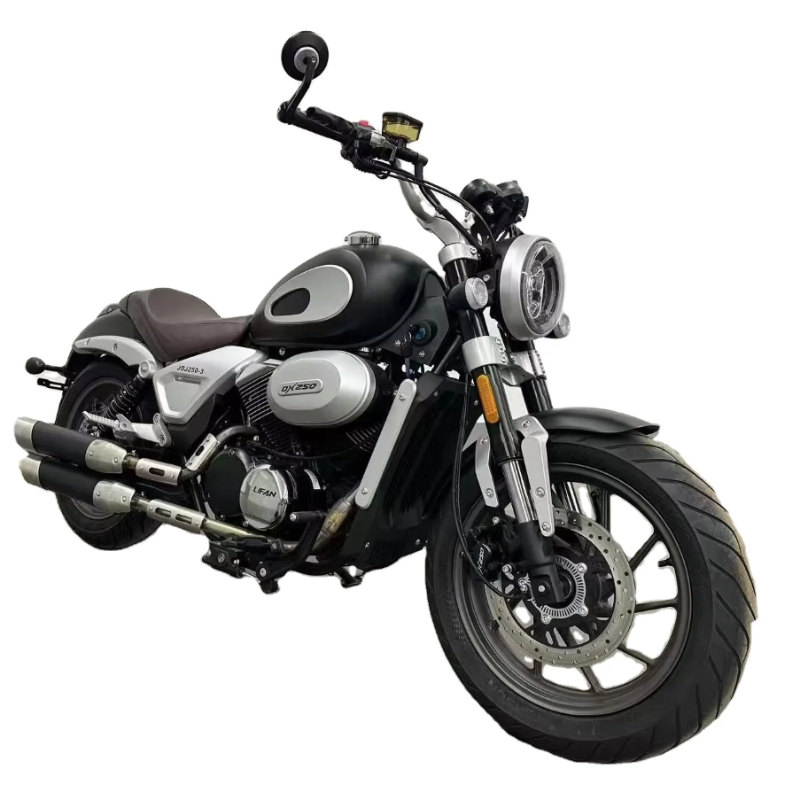
Electric two-wheelers occupy a sweet spot for private-label programmes: the platform is mechanically simpler than a car or a van, tooling costs are modest, and rider expectations around styling are high enough that a distinctive design genuinely commands a premium. Whether you are targeting urban commuters, delivery riders or recreational off-road users, the customisation decisions that matter are predictable - and understanding them before you commit to tooling is what keeps a programme profitable.
Start With the Regulatory Class
The first decision is not aesthetic. It sets the technical floor for everything else:
- Electric bicycle or pedelec class. Power and speed are capped, and pedals are required. Lowest regulatory burden and often no licence or registration, which makes it the easiest category for a first import programme.
- Moped class. Higher speed limits, no pedalling requirement, and typically a lighting set, mirror and horn specification to meet.
- Motorcycle class. Full type approval, brake performance requirements, and a substantially heavier documentation burden.
- Off-road and utility class. Not intended for public road registration, which removes much of the compliance cost but also limits your customer base to recreational, industrial and agricultural users.
Choosing the category late forces redesign of brakes, lighting and speed limiting - three of the more expensive components to change.
System Voltage: The Decision That Sets Everything Else
- 48V. The most common platform for urban scooters and pedelecs. Lowest component cost, the widest availability of replacement batteries and chargers, and adequate for moderate speeds and loads.
- 60V. A middle step that suits 800-1500W motors and markets where regulation or customer expectation pushes beyond 48V performance.
- 72V and above. The choice for high-performance streetbikes, sport all-terrain vehicles and heavy duty cycles. Higher voltage reduces current for the same power output, which lowers heat and improves efficiency - but it demands better wiring harnesses, connectors and controller thermal design. Building a 72V system with 48V-grade components is a warranty claim waiting to happen.
Battery Configuration
Beyond chemistry, the decisions are structural as much as electrical:
- Chemistry. LiFePO4 for cycle life and thermal stability; NMC for higher energy density and lower weight; lead-acid only where upfront price dominates and weight is not a constraint.
- Removable or fixed. Removable packs change the customer's charging behaviour entirely - apartment riders can charge indoors, and delivery fleets can swap packs instead of waiting. This is often a stronger selling point than raw capacity.
- Capacity honesty. Publish the test conditions behind any range claim - rider weight, terrain, speed and temperature - rather than a single optimistic number.
- Transport certification. UN38.3 test reports and MSDS documentation are non-negotiable for sea freight.
Body, Frame and Styling
This is where a private-label product becomes recognisable:
- Body plastics and panels. New injection moulds are the largest cost item in the programme and are only economical at established volume. Below that threshold, choose an existing shell and differentiate through colour, graphics and trim.
- Colour and finish. Metallic, matt, two-tone and textured finishes all change perceived quality dramatically for modest cost.
- Seat and trim. Seat height, foam density, stitching and material are high-impact, low-cost customisations that riders notice immediately.
- Frame and suspension grade. Tube thickness, welding quality at stressed joints, and suspension specification should match the intended duty cycle - a delivery bike used daily on poor roads needs more than a commuter-spec chassis.
Instrumentation, Lighting and Controls
- Display. LCD or TFT clusters, and whether the interface should show state of charge as a percentage, voltage, or a modelled range estimate.
- Connectivity. Bluetooth app pairing, GPS tracking, immobiliser and remote diagnostics are increasingly expected by fleet customers and are a credible premium feature for private riders.
- Lighting set. LED headlamp output, daytime running light, indicators and rear lighting must match the destination market's requirements - and are one of the most visible quality signals to a buyer.
- Switchgear and ergonomics. Control layout, lever reach and mirror placement should be validated by riders before tooling is committed.
Validation Before Volume Production
Insist on a sample batch that is large enough to run real tests, not a single show unit:
- Mechanical durability on the frame and suspension at rated load.
- Thermal behaviour of controller and motor under sustained hill climbing.
- Water and dust ingress on connectors and the battery compartment.
- Braking performance at maximum speed and load.
- Battery cycle testing and verification of the advertised capacity.
A pilot build after validation confirms that the process works at line speed with production tooling, and produces a golden sample that both parties sign as the reference standard.
Programme Checklist
- Regulatory class chosen and documented before design begins.
- Voltage and motor power matched to the duty cycle, with controller grade confirmed.
- Battery chemistry, capacity, removability and transport certification confirmed.
- Tooling costs weighed against order volume; branding-only route considered for first orders.
- Seat, trim, lighting and instrumentation specified and rider-validated.
- Sample batch validated for durability, thermal, ingress and braking performance.
- Spare parts availability and warranty terms agreed in writing.
Wuxi Juyang Technology manufactures electric motorcycles, scooters, streetbikes and all-terrain vehicles, and runs OEM and ODM programmes covering body styling, colour and graphics, voltage and motor specification, battery configuration and branded instrumentation. Contact us with your target market and performance envelope to discuss platform options, tooling and container-load pricing.